
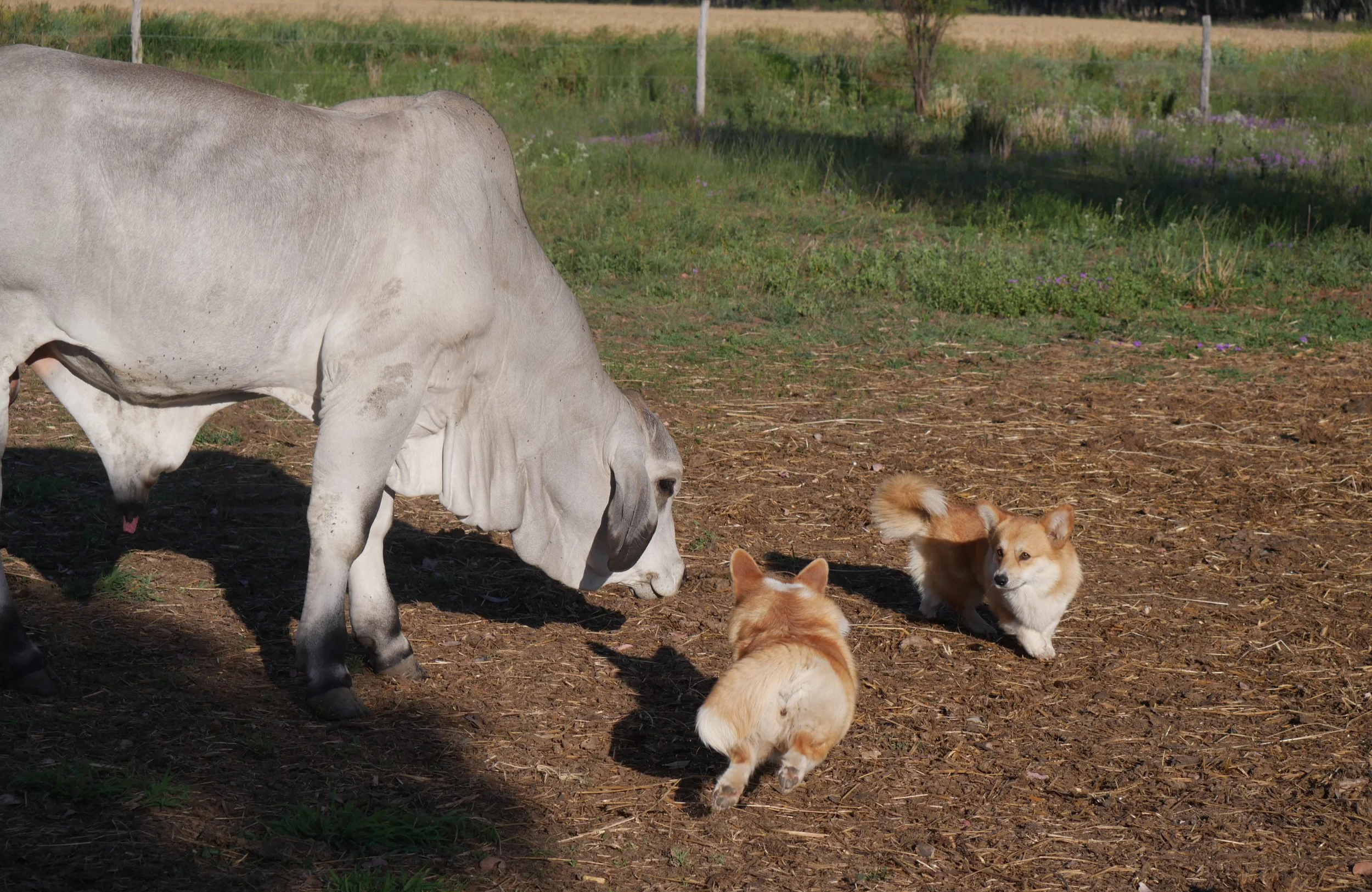
WELSH CORGI PEMBROKE GENERAL INFORMATION
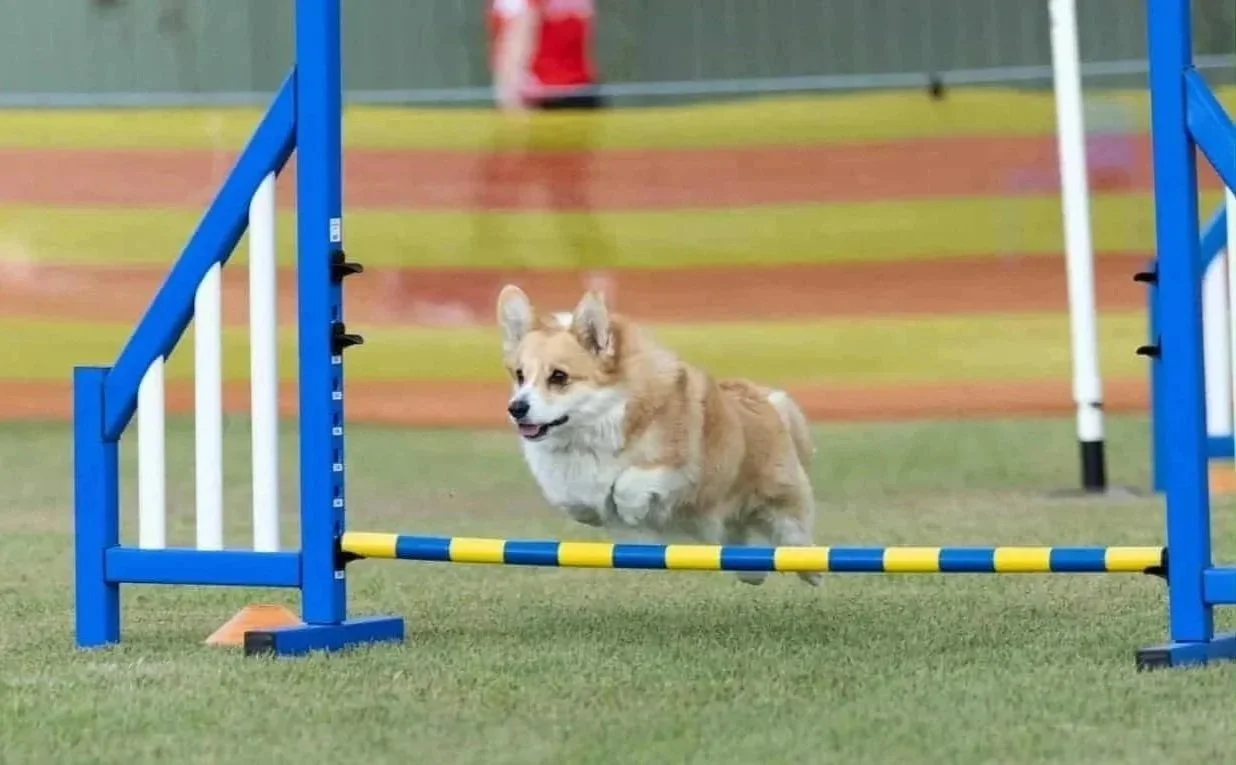
The Cardigan and Pembroke are two distinct breeds, each with its own breed standard, published in 1934. The Pembroke Welsh Corgi has gained worldwide fame through its royal association with Queen Elizabeth II, who owned more than 30 Corgis throughout her lifetime.
The Pembroke Welsh Corgi was developed from the Spitz type of dog and is believed to have been brought to Pembrokeshire by invading Vikings and bred to the resident Welsh herding dogs. They proved to be invaluable to the stockmen of the harsh, demanding terrain of the Welsh hills and valleys. They are hardy and stoic with a biddable and companionable nature.
The intelligence and strong work ethic of this herding breed make Pembrokes excellent companions and highly trainable dogs, capable of excelling in almost any discipline. With their friendly and delightful personalities, they thrive in a kind, loving environment. However, it is important to establish clear rules and boundaries from an early age. Cheeky and adventurous by nature, Pembrokes will occasionally test these boundaries, making consistent training essential.
Grooming and Coat Care
The Pembroke has a dense double coat that requires regular grooming. A weekly comb and brush, along with a monthly bath, are generally sufficient to keep the coat clean and healthy.
It is extremely important never to shave a Corgi's coat. The double coat provides insulation in both hot and cold weather. The soft undercoat helps regulate body temperature, while the harsher outer coat provides protection from the elements.
Corgis are heavy shedders! They typically blow their entire undercoat approximately twice a year. During these periods, managing the amount of loose hair can be quite a task and you will have a less glamorous dog until it grows back.
The Pembroke's Tail
Historically, Pembroke Welsh Corgis were traditionally tail-docked and were easily distinguished from Cardigans by their lack of a tail.
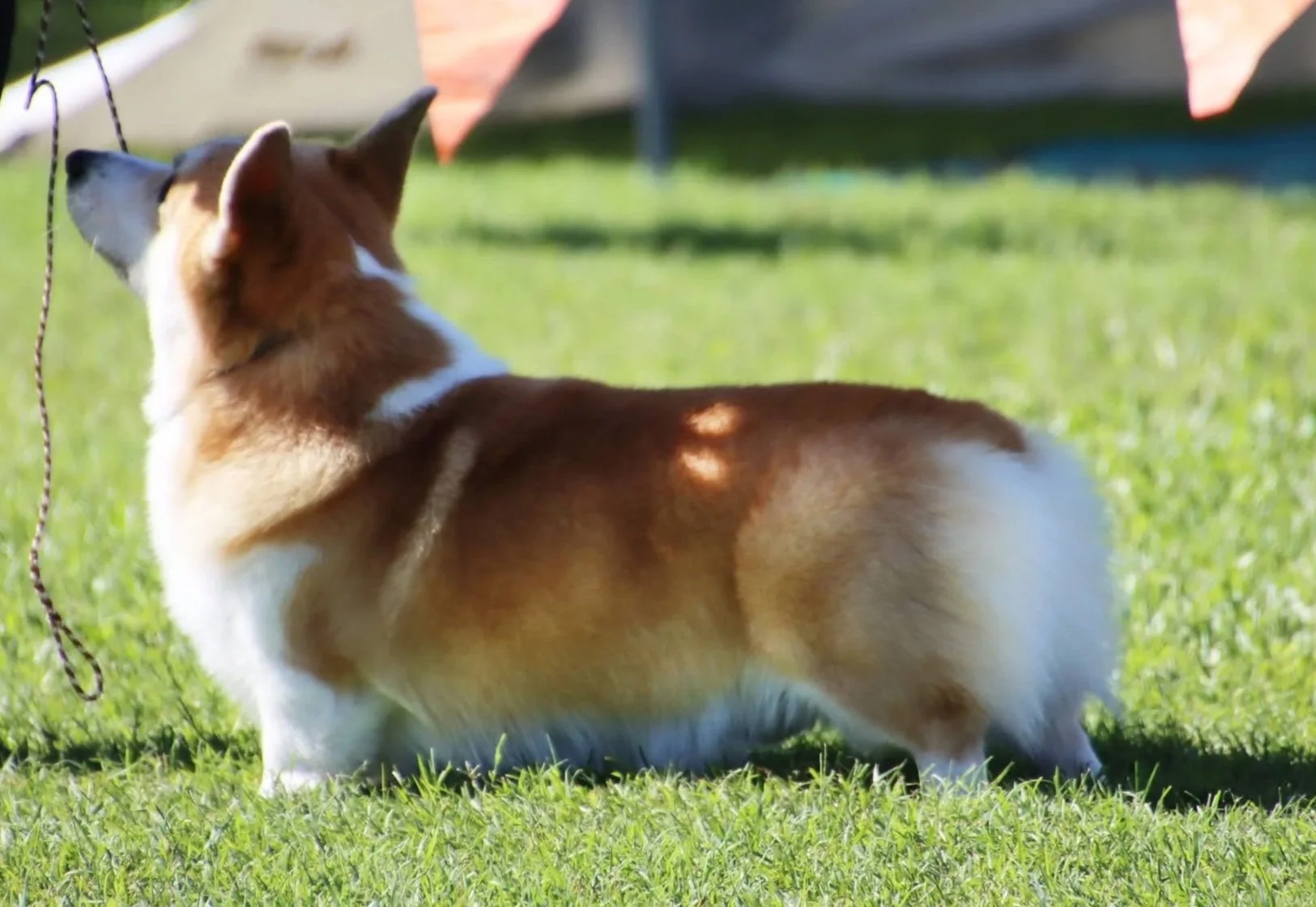
In 2004, tail docking became illegal in Australia, this restriction has since been introduced in many countries around the world. Today, it is common to see Pembrokes with full tails as well as those born with naturally short, bobbed tails, both in Australia and internationally.
WELSH CORGI PEMBROKE
Breed Standard
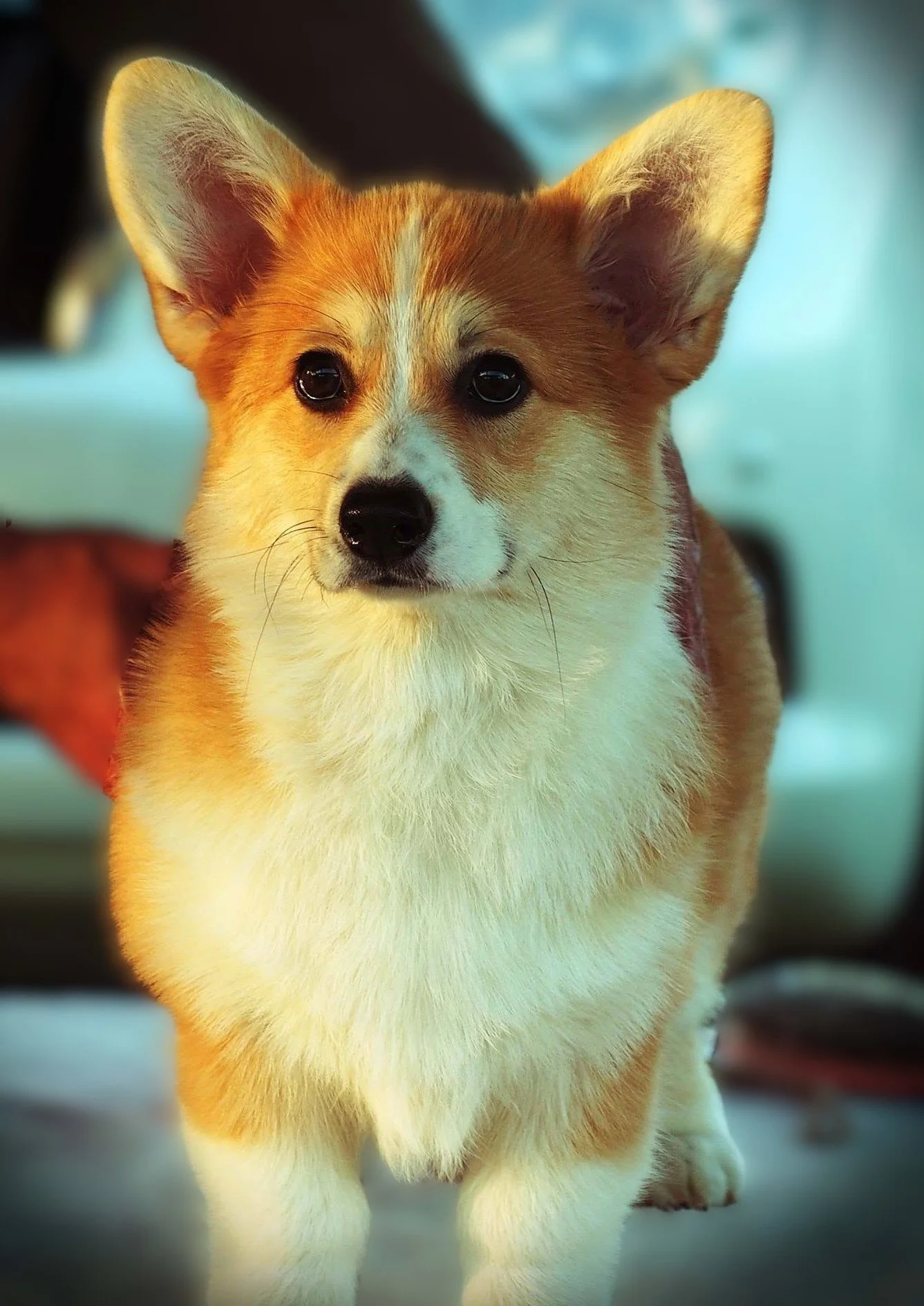
GENERAL APPEARANCE : Low set, strong, sturdily built, alert and active, giving impression of substance and stamina in small space.
CHARACTERISTICS : Bold in outlook, workmanlike.
TEMPERAMENT : Outgoing and friendly, never nervous or aggressive.
HEAD AND SKULL : Head foxy in shape and appearance, with alert, intelligent expression, skull fairly wide and flat between ears, moderate amount of stop. Length of foreface to be in proportion to skull 3 to 5. Muzzle slightly tapering. Nose black.
EYES : Well set, round, medium size, brown, blending with colour of coat
EARS : Pricked, medium sized, slightly rounded. Line drawn from tip of nose through eye should, if extended, pass through, or close to tip of ear.
MOUTH : Jaws strong with perfect, regular and complete scissor bite, i.e. upper teeth closely overlapping the lower teeth and set square to the jaws.
NECK : Fairly long.
FOREQUARTERS : Lower legs short and as straight as possible, forearm moulded round chest. Ample bone, carried right down to feet. Elbows fitting closely to sides, neither loose nor tied. Shoulders well laid, and angulated at 90 degrees to the upper arm.
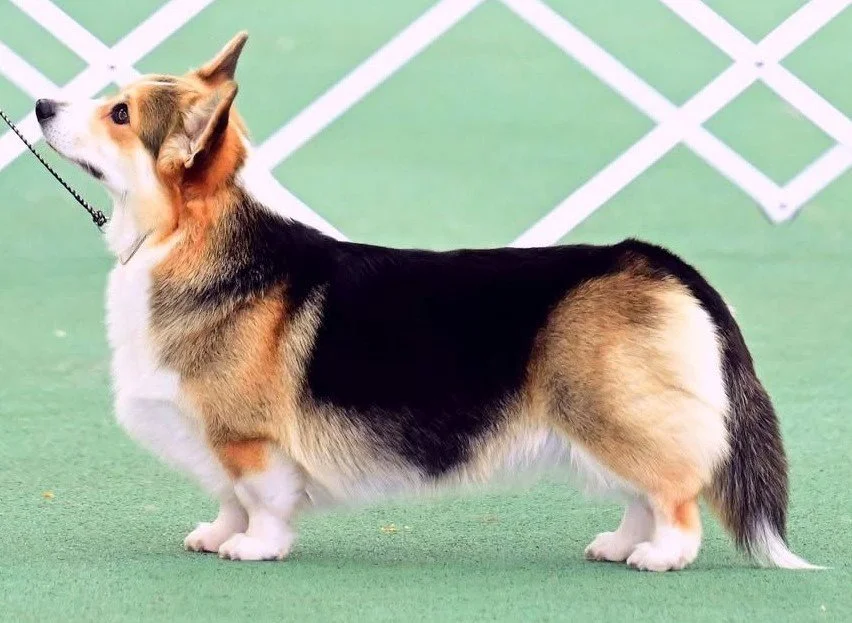
BODY : Medium length, well sprung ribs, not short coupled, slightly tapering, when viewed from above. Level topline. Chest broad and deep, well let down between forelegs.
HINDQUARTERS : Strong and flexible, well angulated stifle. Legs short. Ample bone carried right down to feet. Hocks straight when viewed from behind.
FEET : Oval, toes strong, well arched, and tight, two centre toes slightly advance of two outer, pads strong and well arched. Nails short.
GAIT/MOVEMENT : Free and active, neither loose nor tied. Forelegs move well forward, without too much lift, in unison with thrusting action of hindlegs.
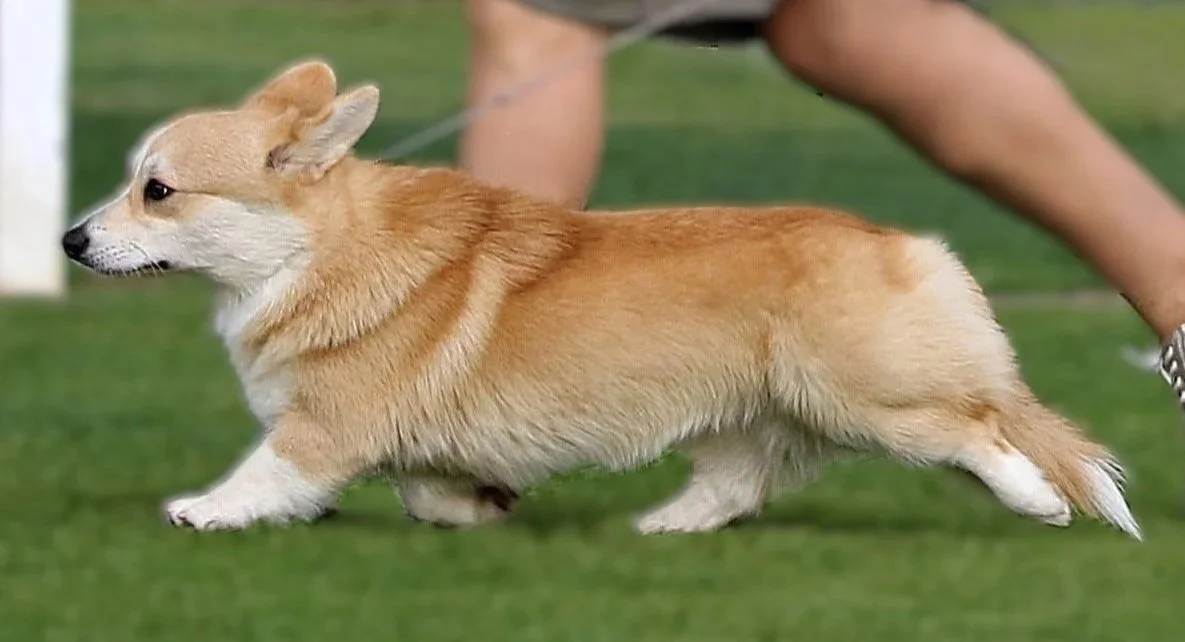
COAT : Medium length, straight with dense undercoat, never soft, wavy or wiry.
TAIL : Short, preferably natural.
Docked: Short.
Undocked: Set in line with topline. Natural carriage above topline when moving or alert.
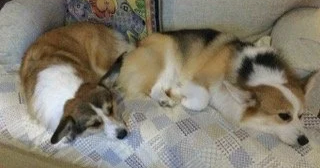
COLOUR : Self colours in Red, Sable, Fawn, Black and Tan, with or without white markings on legs, brisket and neck. Some white on head and foreface permissible.
SIZES : Height: approx. 25-30 cms (10-12 ins) at shoulder
Weight: Dogs 10-12 kgs (22-26 lbs), Bitches 9-11 kgs (20-24 lbs)
FAULTS : Any departure from the foregoing points should be considered a fault and the seriousness with which the fault should be regarded should be in exact proportion to its degree and its effect upon the health and welfare of the dog.
NOTES : Male animals should have two apparently normal testicles fully descended into the scrotum.
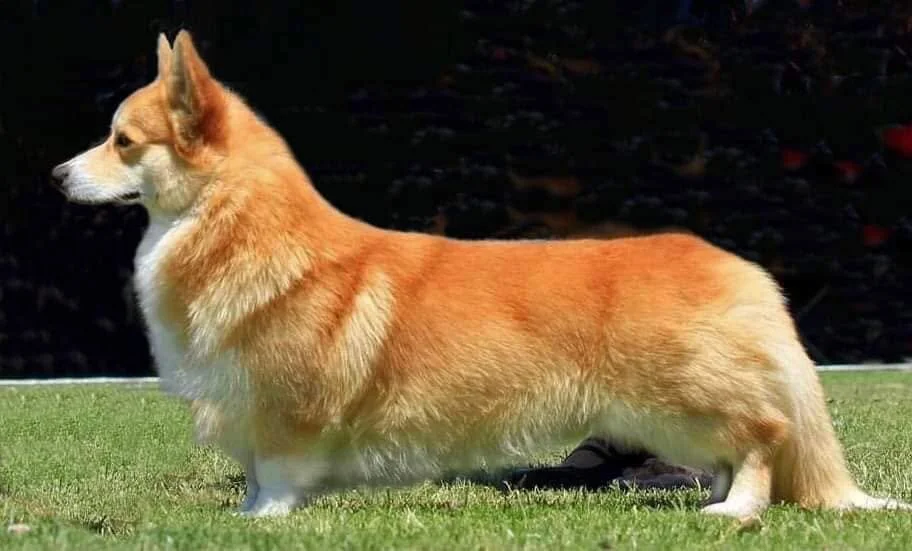
PEMBROKE COLOURS
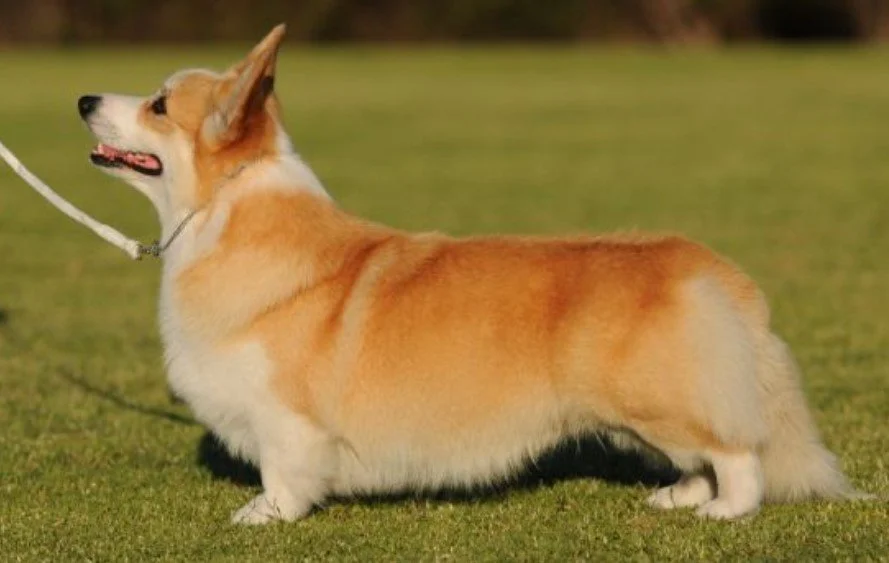
Red
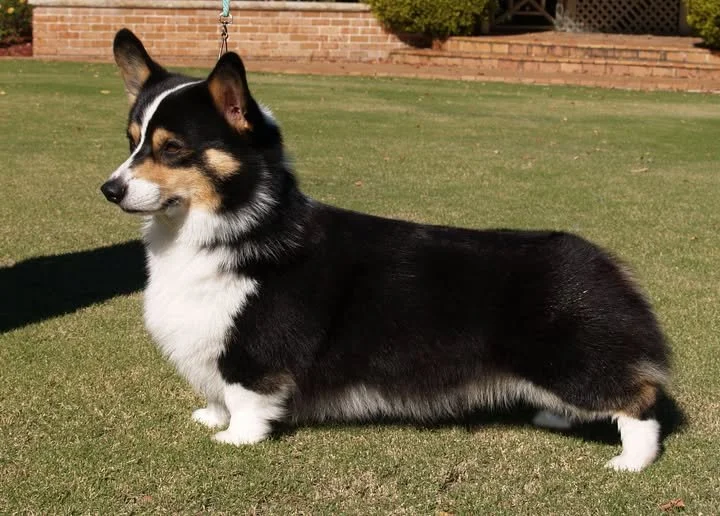
Black Headed Tri
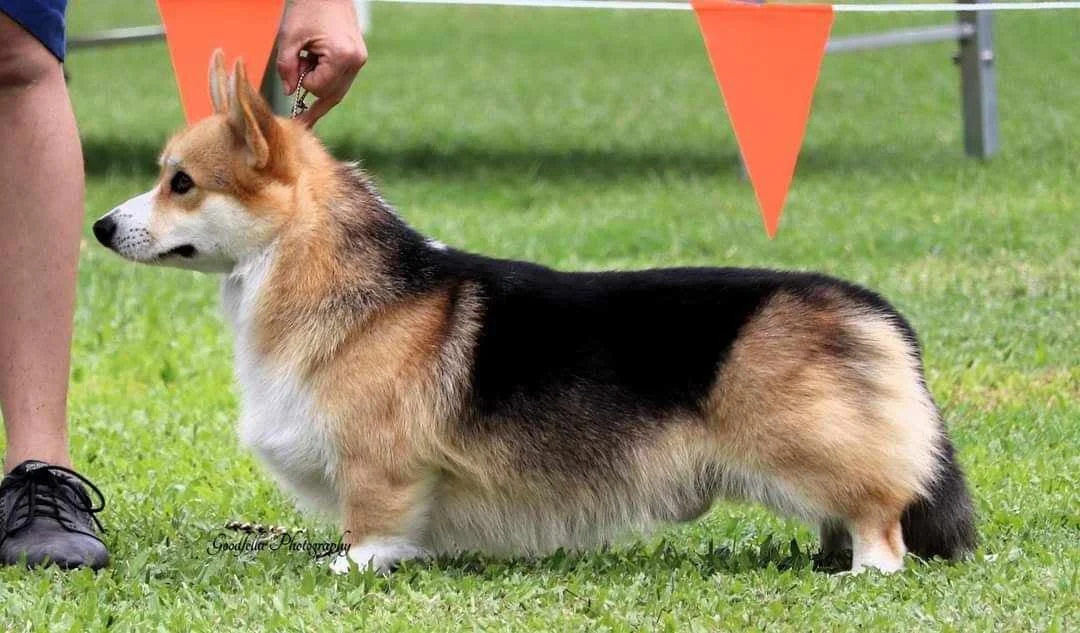
Red headed tri
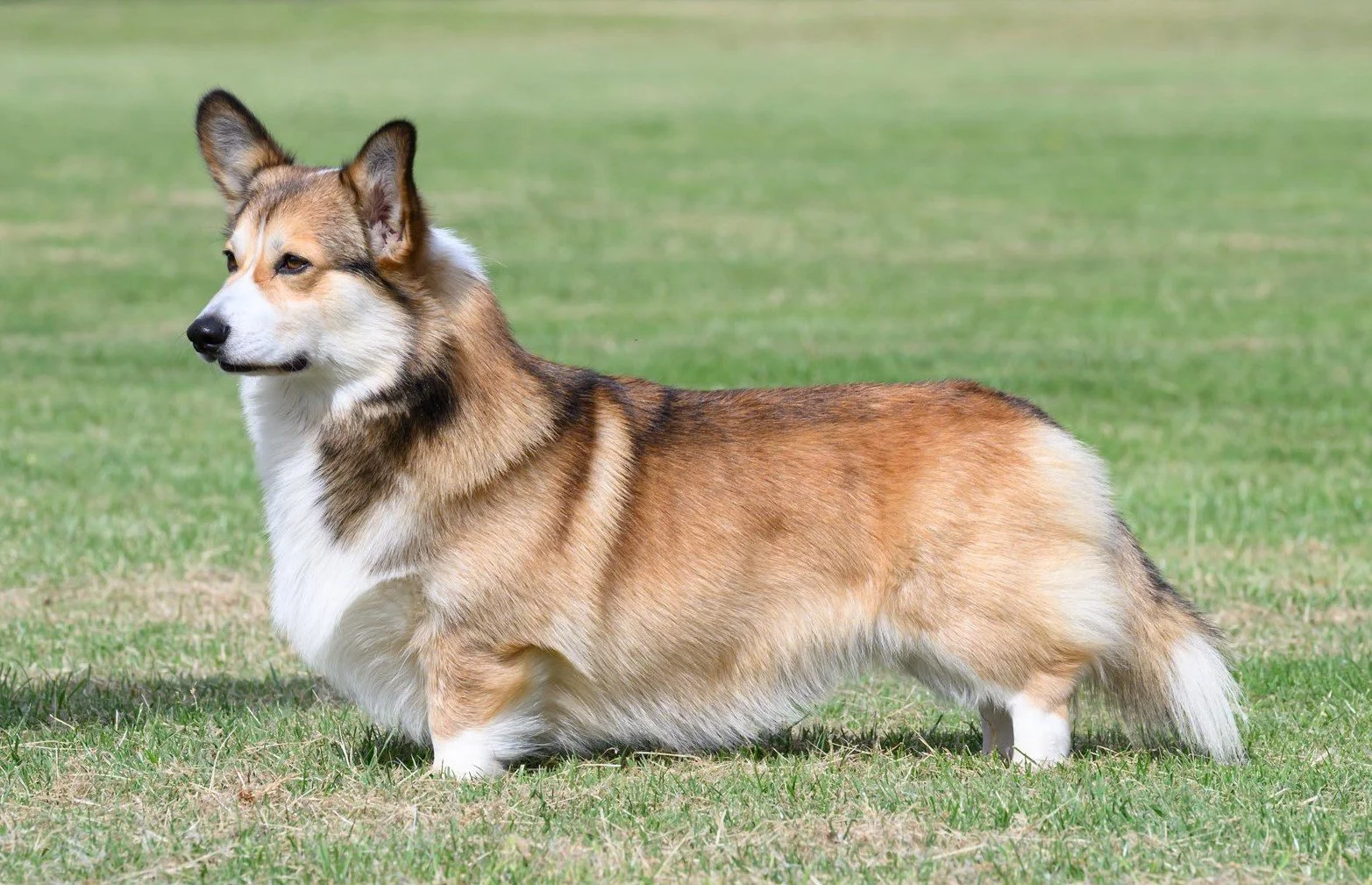
Sable